Main water line services
Main Shut Off Valve Replacement in Ephrata
Serving 17522 · Calls answered 24/7
- The inside main shut-off and the street-side curb stop do different jobs; a pro diagnoses which one is failing.
- Seized, weeping or non-sealing valves get replaced, usually with a modern full-bore valve that turns easily.
- When a valve fails, timing matters: same-day availability you can ask about on the call, with pricing explained before work begins.
- Era
- Original valves in borough homes can be decades old
- Layout
- Main valve usually near where the line enters the house
- ZIP
- 17522
What the Main Shut-Off and the Curb Stop Are
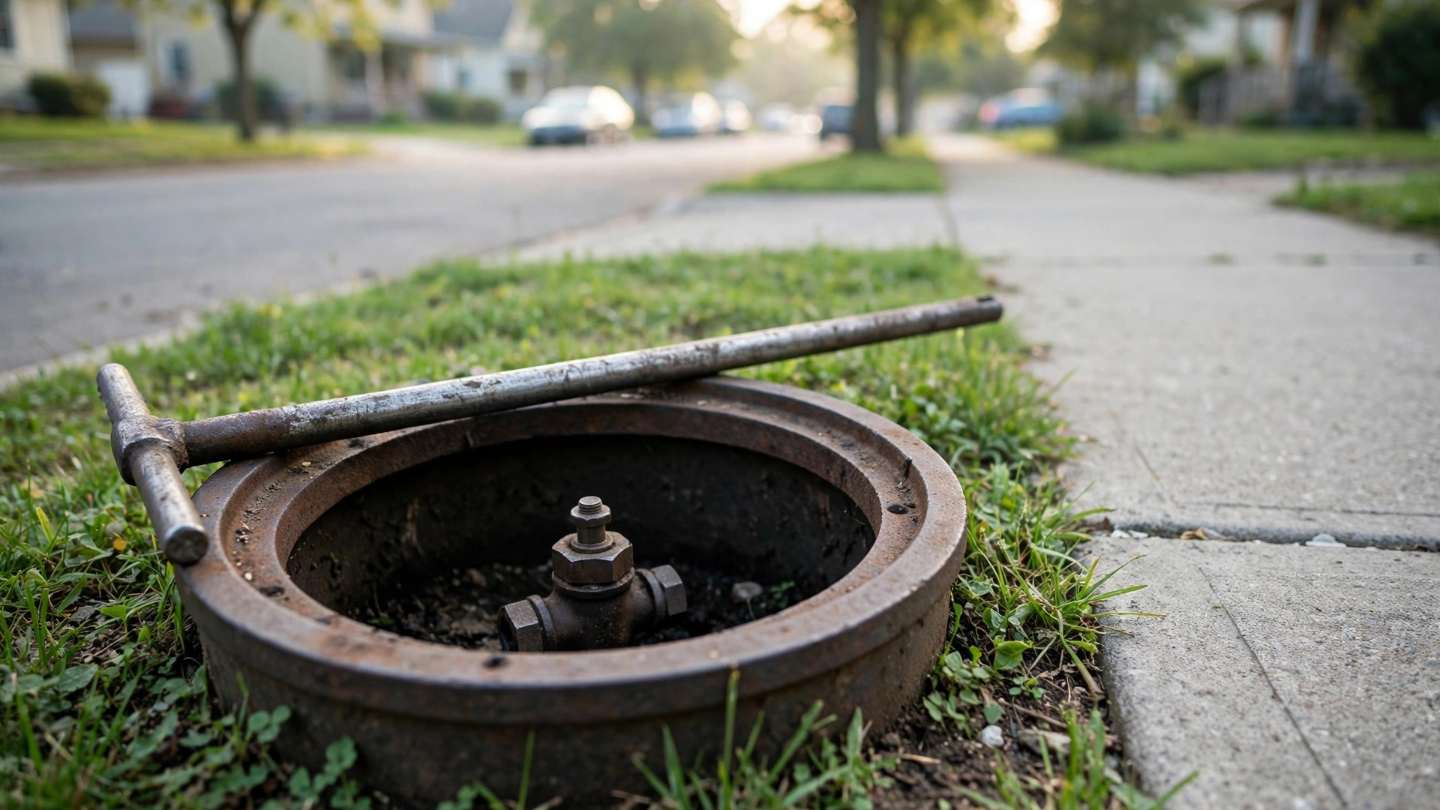
Two valves control your water, and they do different jobs. The main shut-off inside your home sits on the pipe where the service line enters, usually in the basement near the foundation wall in older borough homes, and it is yours to operate. The curb stop sits out near the sidewalk or property line, usually in a small box at grade, and it shuts off the line from the street side. In main shut off valve replacement work in Ephrata, the inside valve is the one a local pro replaces most often, while the curb stop is the tool of last resort when the inside valve fails.
Knowing both locations before trouble starts is the single best piece of preparation a homeowner can do. In an emergency, seconds count, and nobody wants to be hunting for a valve while water is spreading. The curb stop usually needs a special key and, depending on the situation, coordination with the provider, which is why pros treat it differently from the inside valve.
Seized, Leaking or Broken: How Valves Fail
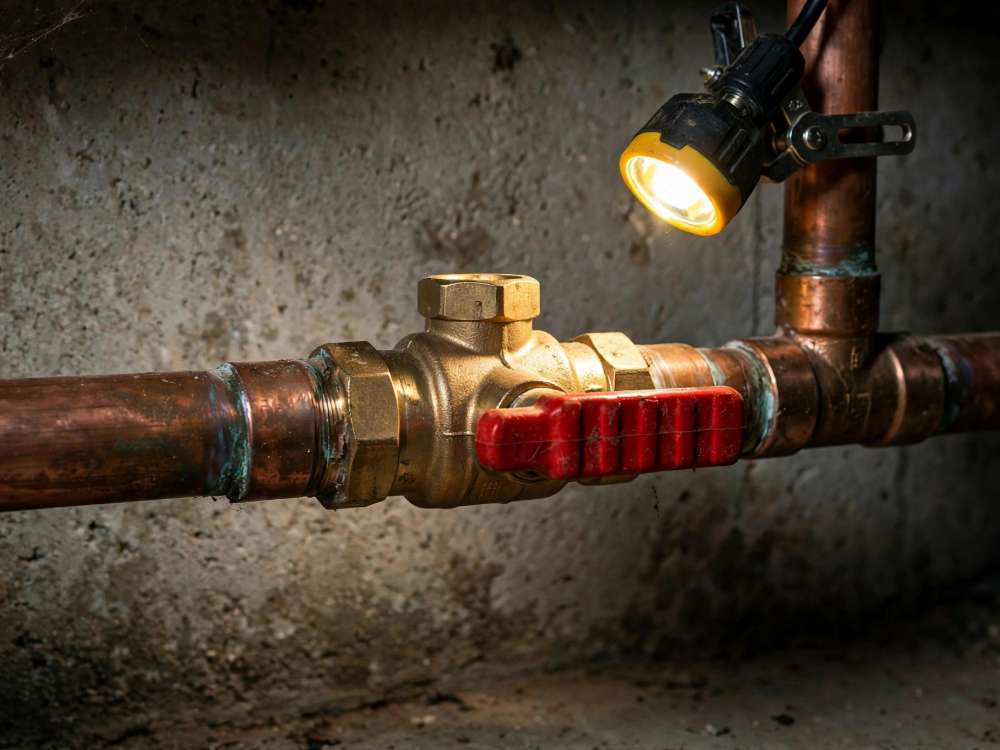
Valves fail in a few familiar ways. Gate-style valves common in older homes seize in the open position after years without being turned, and the handle spins or snaps when someone finally tries. Packing nuts dry out and start weeping around the stem. In the worst case, a valve that looks closed still passes water, so the line can never be fully isolated for other work.
Forcing a seized valve is the mistake to avoid. Old brass can snap under a wrench, and a snapped valve turns a scheduled replacement into an uncontrolled leak with the curb stop as the only remaining option. A pro approaches a stuck valve knowing exactly how much persuasion is safe, and if it will not move, the water gets shut off at the curb stop first. Main water shut off valve leaking at the stem is often repairable with fresh packing, but a corroded body or a gate that will not seat means replacement is the honest answer.
Main Shut Off Valve Replacement in Ephrata: Inside the Home
Replacing the main shut-off inside the home is straightforward, well-practised work. The pro shuts the water off at the curb stop, drains the house lines, cuts out the old valve, and installs the new one, usually a full-bore ball valve that turns with a quarter twist and seals reliably. The connection is pressure tested before the water goes back on, and the pro shows you the new valve and how to operate it.
This is also the moment to think about the line it connects to. If the service line entering the house is an aging galvanized run, the valve replacement visit is a natural time to discuss the line's condition too, since the water is already off and a pro is already on site. And if the line itself is failing, the conversation may extend to main water line repair or main water line replacement rather than valve work alone.
Curb Stop Valve Replacement and Provider Coordination
Curb stop problems are a different category, because the curb stop usually sits on the provider's side of the ownership divide. A curb stop that will not turn, a box that has sunk or filled with soil, or a valve at the street that leaks all typically need the water provider involved. This is normal and routine: a pro who does curb stop valve replacement in the Ephrata area coordinates with the provider as part of the job, so the homeowner is not left navigating that process alone.
What the homeowner can do is report the symptom clearly: where the box is, what it looks like, and what happens when the key is turned. The pro takes it from there, arranging the provider's involvement where required and doing the accessible work on the homeowner's side. Because curb stop access sometimes affects the schedule, calling sooner rather than later keeps the timeline comfortable.
Why a Working Shut-Off Matters in an Emergency
A working shut-off is the difference between a controlled repair and a flood. Every line project, every fixture replacement, every leak response starts the same way: turn the water off. When the valve works, the pro isolates the house in seconds and gets to work. When it does not, the first minutes of an emergency are spent on workarounds instead of the actual problem. That is why pros treat valve condition as a safety matter, not a convenience.
The habit that protects you costs nothing: once or twice a year, turn the main valve fully off and back on, gently, to keep it from seizing. If it sticks, stop and call rather than forcing it. Homeowners who test the valve and find it frozen have learned something valuable at zero cost, and scheduling the replacement calmly beats discovering the failure at 2 a.m. with water on the floor. Call (717) 749-8219 and a local pro will take it from there.
Ephrata Homes: Valves Age Along With the House
Valve age follows housing age across the Ephrata service area. In Ephrata Borough, original gate valves in early 1900s brick homes can be many decades old, and the ones that were never exercised are the ones most likely to seize. In Ephrata Township subdivisions from the 1960s onward, the valves are newer but still old enough to stick, especially in homes where the basement valve sits untouched behind storage. Village homes around Clay and Murrell vary, with older homes and newer tracts side by side.
Cold winters add their own stress: freeze-thaw cycles work on buried components, and a curb stop box that has heaved or filled with debris over the years can be hard to find, let alone operate. Whether the need is water line replacement in Murrell with valve work bundled in, or a simple swap in a borough basement, the first step is the same call. Residents weighing water line replacement in Clay often discover the valve question during the same assessment.
What to Do While You Wait
- Find your main shut-off now, before you need it, and note whether the handle turns.
- If it sticks, do not force it; call a pro instead.
- Locate the curb stop box near the sidewalk or property line so you can point to it.
- Keep the area around both valves clear of storage and debris.
- If water is leaking and the inside valve will not close, call immediately and mention the curb stop.
- Do not dig up a curb stop box yourself; the pro handles access and provider coordination.
Valve stuck or dripping? Get a straight answer on repair versus replacement. Speak with a local main water line tech
Curb stop trouble usually involves the provider; let a pro coordinate it. Get help with curb stop coordination
Tested your valve lately? A stuck valve is worth fixing calmly. Get upfront pricing on the phone
Questions, Answered Plainly
In most Ephrata homes it sits near where the water line enters the house, often in the basement close to the foundation wall, sometimes in a crawl space or utility area. Look for the first valve on the pipe after it comes through the wall or floor. If you cannot find it, describe your home's layout on the call and the pro will talk you through the likely spots.
Do not force it; a forced valve can snap and turn a maintenance job into a flood. If it is urgent, the pro can usually shut the water off at the curb stop while the inside valve is dealt with. Call and explain the situation; valve work is routine for a local pro and it is better handled before an emergency makes it critical.
Ownership usually divides at the curb stop or property line, and the curb stop itself is generally on the provider's side of that divide. Work on the curb stop is often coordinated with the water provider, and a pro handles that coordination as part of the job. If you are unsure, ask on the call; the pro knows how it is handled locally.
Sometimes, if the leak is at a packing nut or a fitting that can be tightened or repacked. But a valve body that is corroded through, or an old gate valve that no longer seats, is past repairing. A pro looks at where the water is coming from and gives a straight answer: repack it, or replace main shut off valve and be done with it.
Yes, gently, and it is a good habit. Turn it fully off and back on once or twice a year; that keeps the mechanism from seizing in place. Never force it. If it sticks, stop and call a pro rather than risking a break.
For inside-the-home replacements, pros generally install a full-bore ball valve these days, because it turns easily and seals reliably. The exact choice depends on the pipe it connects to and the local practice. The pro explains the option on site; there is no brand decision for you to research.
Often, yes. Replacing an inside main shut-off is straightforward work for a local pro, and it is commonly scheduled promptly because a working valve is a safety matter. Curb stop work depends on coordination with the provider, which can add a step. Call and the pro will tell you what the schedule looks like for your situation.
If the inside valve will not fully close, the pro can usually stop the water at the curb stop instead, with the provider's involvement where required. That keeps the work site dry while the faulty valve is replaced.
Main Shut Off Valve Replacement in Ephrata: One Call Solves It
A valve that will not turn or will not seal is a problem you do not want to discover during a burst pipe. For main shut off valve replacement in Ephrata, call (717) 749-8219 and describe what is happening; an experienced local pro will explain the options and the pricing before any work begins. Lines are answered 24/7, with same-day availability you can ask about on the call.
Call before it gets worse