Main water line services
Low Water Pressure From the Main Line in Ephrata
Serving 17522 · Calls answered 24/7
- Whole-house weakness points to the shared supply path; a pro's pressure readings localise the restriction fast.
- Corroded or undersized buried lines are a common cause in older Ephrata homes, and replacement restores full flow.
- Calls are answered 24/7, with same-day availability you can ask about on the call and pricing explained before work begins.
- Era
- Borough: oldest lines; townships: 1960s to 2000s subdivisions
- Layout
- Buried line runs from curb stop to the house entry point
- ZIP
- 17522
Low Water Pressure in the Whole House vs One Fixture
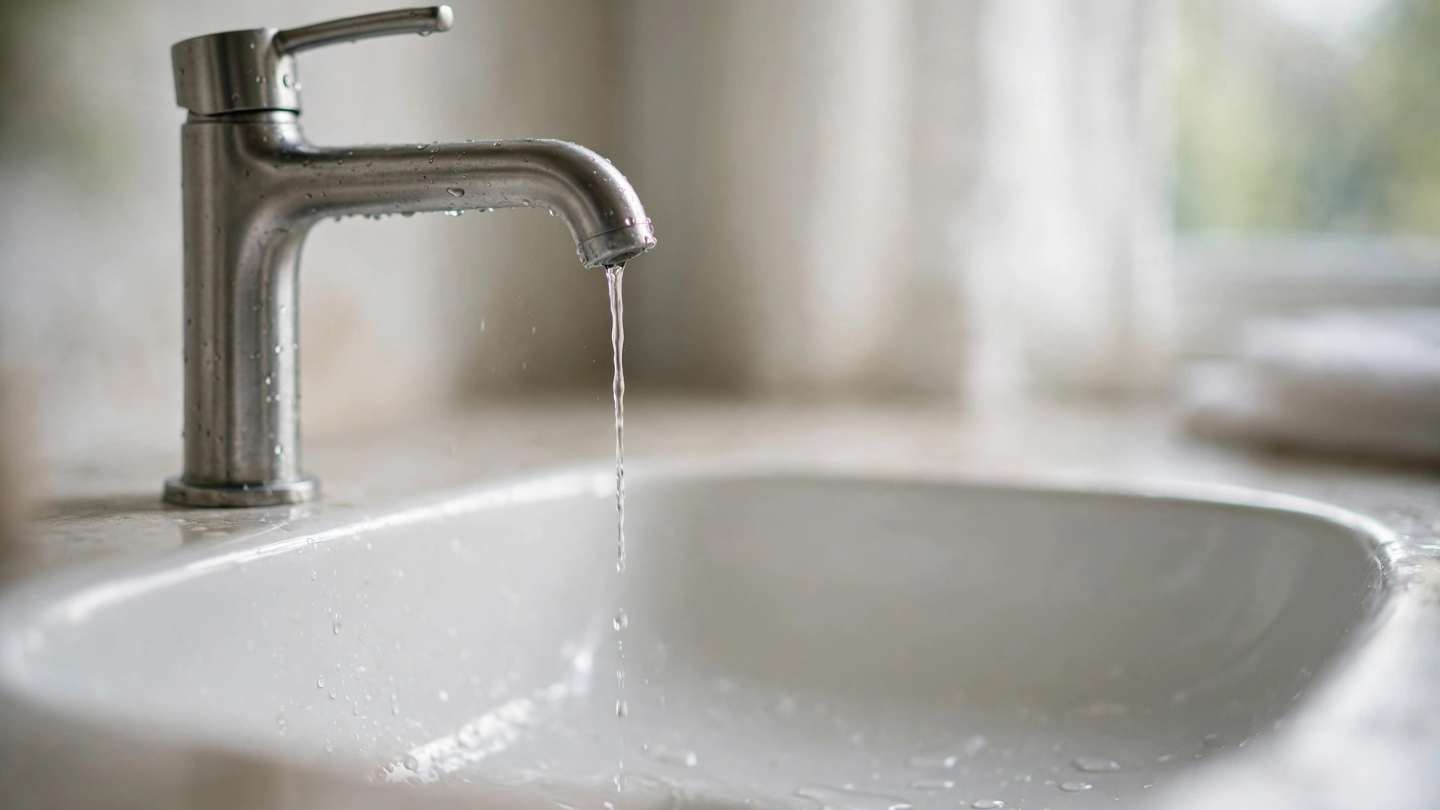
The single most useful clue in low water pressure main line diagnosis in Ephrata is whether the problem touches the whole house or just one fixture. Pressure that is weak at every tap, every showerhead and every hose bib points to the shared supply path, and the buried service line is the longest single piece of that path. One weak fixture while the rest of the house runs fine, by contrast, is almost always a local issue: a clogged aerator, a scaled-up showerhead, or a fixture supply line that needs attention. That distinction saves a lot of wasted effort.
A pro starts by asking exactly this question on the phone, because it shapes what gets tested on site. Whole-house weakness earns a pressure reading at an outside spigot and at the house entry point, which shows where in the chain the drop happens. Single-fixture weakness gets a different checklist entirely.
How a Corroded or Undersized Service Line Throttles Flow
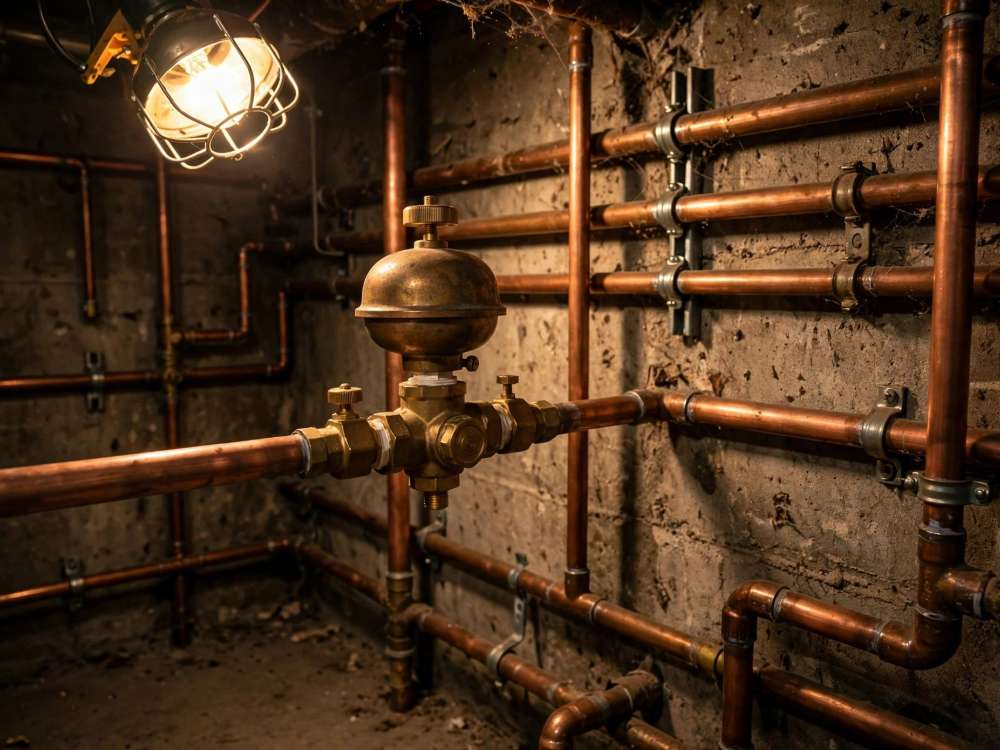
A service line throttles flow in two main ways, and both trace back to age. Inside older steel lines, corrosion and mineral scale build up on the pipe wall year after year, gradually shrinking the passage water can use. The pressure at the meter may still read fine, but the flow that reaches the house collapses whenever demand rises, so the shower fades the moment a tap opens elsewhere. The second way is size: some older homes in Ephrata were piped with a line that was modest for its day, and modern fixture counts overwhelm it. The weak water pressure old pipes pattern is often this combination: a line that is both corroded and small.
That is why gradual pressure loss over the years is such a telling symptom. Nothing changed overnight; the pipe simply kept narrowing. A pro measures both static pressure and flow to separate a volume problem (the line cannot carry enough water) from a pressure problem (the supply itself is weak). Volume problems live in the pipe, and when the pipe is the cause, low water pressure main line repair on a corroded run is usually a short-term patch.
Other Causes the Pro Rules Out First
Before blaming the buried line, a pro rules out the simpler causes, because several sit inside the house and cost far less to fix. The pressure regulator, if the home has one, can drift or fail with age; the main shut-off valve may be partially closed or seized partway; and supply-side work by the provider can leave a whole street temporarily soft.
The regulator gets tested and adjusted or flagged. The main valve is checked for full travel, and if it will not turn, main shut off valve replacement may be part of the answer. Pressure is read on both sides of the curb stop to separate the provider's side from the homeowner's side. Only when those checks point at the buried run does the conversation turn to the line itself. Honest pros work this order every time, because replacing a line that was never the problem helps nobody.
Low Water Pressure Main Line Testing in Ephrata: What the Pro Does
Testing and diagnosis for low water pressure main line in Ephrata follows a practical routine. With all fixtures off, the pro runs a meter test, watching the dial for movement that betrays a hidden leak in the buried line. Static pressure readings are taken at an outside spigot and near the house entry point; a sharp difference between the two localises the restriction. Flow is measured with taps running to see how the line behaves under load, which exposes undersized or corroded pipe that static readings miss.
If the tests suggest a leak rather than a restriction, acoustic tracing narrows the search to a section of yard instead of the whole run. If they point to the line's condition, the home's era and the pipe material at the entry point fill in the rest of the story: an older galvanized run in a borough home behaves very differently from a newer copper run in a township subdivision. Either way, the homeowner gets readings and a plain-language explanation before any work is proposed, which is how pricing stays upfront and surprises stay out of it.
When Replacement Is the Real Fix
Sometimes replacement really is the fix, and it helps to know when that call is made. When the buried line is corroded along its length, when it is undersized for the household, or when it has already sprung more than one leak, repeated repairs stop making sense. Each patch fixes a point while the rest of the pipe keeps aging, so the honest recommendation becomes main water line replacement: one project, one new run, full flow restored.
Where the yard, driveway or mature trees make an open trench painful, the pro may suggest a trenchless route instead, pulling a new line through with minimal digging. And because every line project depends on a valve that works, the shut-off gets checked as part of the plan; a seized valve means scheduling main shut off valve replacement alongside the line. Homeowners in the townships weighing water line replacement in Ephrata Township or in the villages considering water line replacement in Hahnstown face the same decision tree, and the phone call is where it starts.
Ephrata Homes: Why Pressure Fades Here
Housing era explains most pressure complaints across the Ephrata area. In Ephrata Borough, early 1900s brick homes with basements often still run on their original buried lines, where decades of internal corrosion have quietly narrowed the pipe. In Ephrata Township subdivisions from the 1960s through the 2000s, the lines are newer, but the oldest tracts now show the same gradual pressure fade as their pipes age, especially after years of freeze-thaw cycles shifting the soil around them. Village homes in places like Hopeland and Clay vary street by street, with older homes and newer tracts side by side along US 322.
The common thread is that cold Pennsylvania winters punish buried pipe, and older pipe feels it first. Water pressure dropped suddenly in winter often means a freeze-related break rather than slow corrosion, which changes the urgency entirely. That local read is exactly what the first phone call is for: describe what changed, and get an answer grounded in how homes here actually behave.
What to Do While You Wait
- Note which fixtures are weak and whether the weakness is new or gradual.
- With everything off, watch the meter dial; movement suggests a leak rather than a restriction.
- Find your main shut-off and check whether it turns fully; do not force it.
- Ask neighbours whether their pressure changed too; a street-wide drop points to the provider's side.
- Keep off any soft or sunken ground, and do not dig to find the line yourself.
Whole-house weak flow? A pressure test tells you where the restriction sits. Get your pressure tested by a pro
Have your readings? Describe them and get a straight answer by phone. Get a straight answer by phone
Ruled out the easy causes? The buried line is the next place to look. Find out what is throttling your flow
Questions, Answered Plainly
The low water pressure whole house pattern is unmistakable: when the shower, kitchen tap, bathroom taps and hose bibs are all weak at once, the restriction is usually somewhere in the shared supply path, and the buried service line is a leading suspect. A pro confirms this with pressure readings taken at different points. If only one fixture is weak, the problem is almost always local to that fixture instead.
Yes, it happens, especially in older homes where the original line was sized for fewer fixtures or a smaller household. An undersized line cannot deliver enough volume when several taps run at once, so pressure sags under demand. A pro measures flow as well as static pressure to judge whether size is the limiting factor.
The division usually sits at the curb stop or property line: the provider owns the street side, and the homeowner owns the run to the house. A pro tests pressure on both sides of that divide to find where the drop happens.
A booster can raise pressure, but it cannot fix a line that is corroded shut or broken, and it adds equipment to maintain. If the underlying cause is a failing buried pipe, the booster masks the problem while the pipe keeps deteriorating. Most pros prefer to diagnose the real cause first, then talk about boosters only if the line itself checks out.
A sudden drop often has a clear cause: a leak that opened in the buried line, a valve that was bumped partially closed, work on the provider's side, or a regulator that failed. Run the meter test with everything off to check for a hidden leak. If the meter moves, call promptly, because a new leak is an urgent problem rather than a slow aging one.
It can, on steeply graded lots, since water loses pressure climbing uphill from the street to the house. Homes set well above the road are more affected. A pro factors the grade in but looks for a new cause first.
Static and flow pressure at an outside spigot, pressure at the house entry point, the condition of the regulator if there is one, and whether the main shut-off is fully open. The pro also runs a meter test for leaks. Those few readings usually separate a line problem from a valve or provider-side problem quickly.
Not usually, but it can become one. Low pressure from a leak means water is going somewhere it should not, and a wet, softening patch of yard can appear with little warning. If pressure dropped suddenly or you hear water running with everything off, treat it as urgent and call right away.
Low Water Pressure Main Line in Ephrata: Call and Find Out
If every fixture in the house is underperforming, low water pressure main line in Ephrata is a likely culprit, and a phone call is the fastest way to confirm it. Describe what you are seeing and a local pro will explain what the tests show. Call (717) 749-8219; lines are answered 24/7, and you can ask about same-day availability.
Call the team