Main water line services
Old Water Service Line Replacement in Ephrata
Serving 17522 · Calls answered 24/7
- A local pro identifies your service line material at the entry point, so you know what you are dealing with.
- Galvanized and other older lines tend to lose pressure and discolour water as they age; replacement on the private side fixes the cause.
- Same-day availability you can ask about on the call; the pro explains the pricing before work begins.
- Era
- Borough homes: early 1900s lines; townships: 1960s to 2000s lines
- Layout
- Basements in older borough homes; slabs and crawl spaces in newer tracts
- ZIP
- 17522
How to Tell What Your Service Line Is Made Of
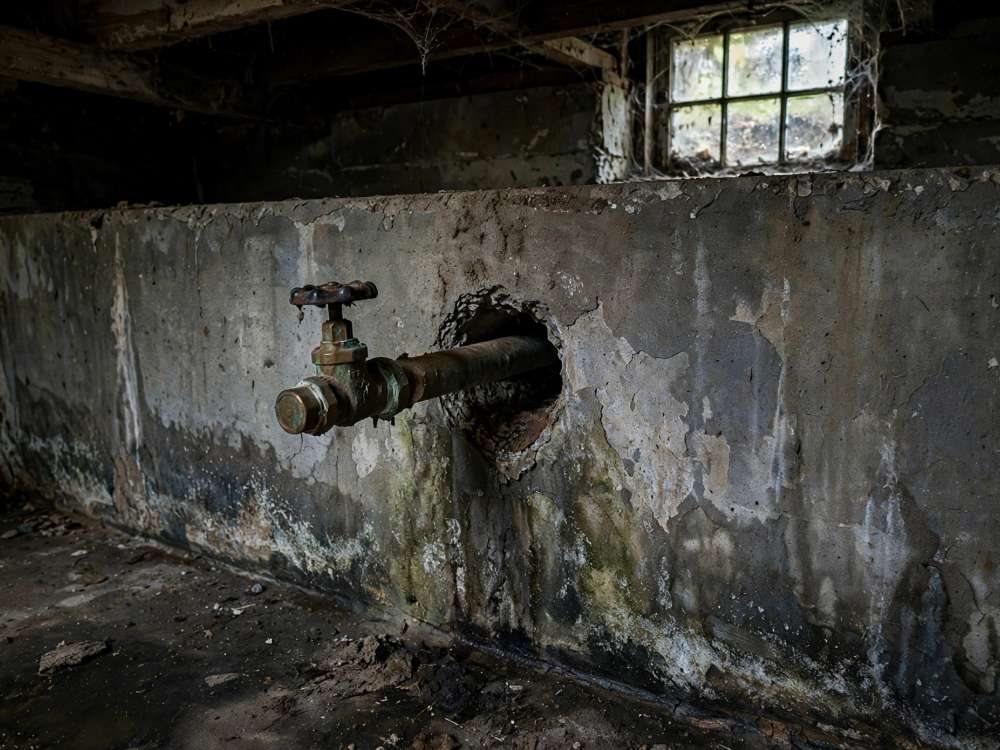
The first step in any replacement project in Ephrata is knowing what is actually buried between your curb stop and your house. A pro usually starts where the line enters the home, often through the basement foundation wall in older borough houses. A quick scratch test on an exposed section, plus the colour and thread pattern, narrows it down fast. Common finds around 17522 are older galvanized steel, copper in mid-century tracts, and in the oldest borough homes, lines that may date back further. A local tech who knows Ephrata housing stock can often tell at a glance, then confirm before anyone talks about digging.
Knowing the material matters because it shapes every option after it. Galvanized lines tend to corrode from the inside out, which affects both pressure and water appearance. Copper lines of a certain era can develop pinhole leaks where the soil chemistry is unkind. Some older lines were made of lead, and a pro can identify the material if that is the concern.
Galvanized Water Line Replacement: Why Old Lines Lose Pressure and Discolour Water
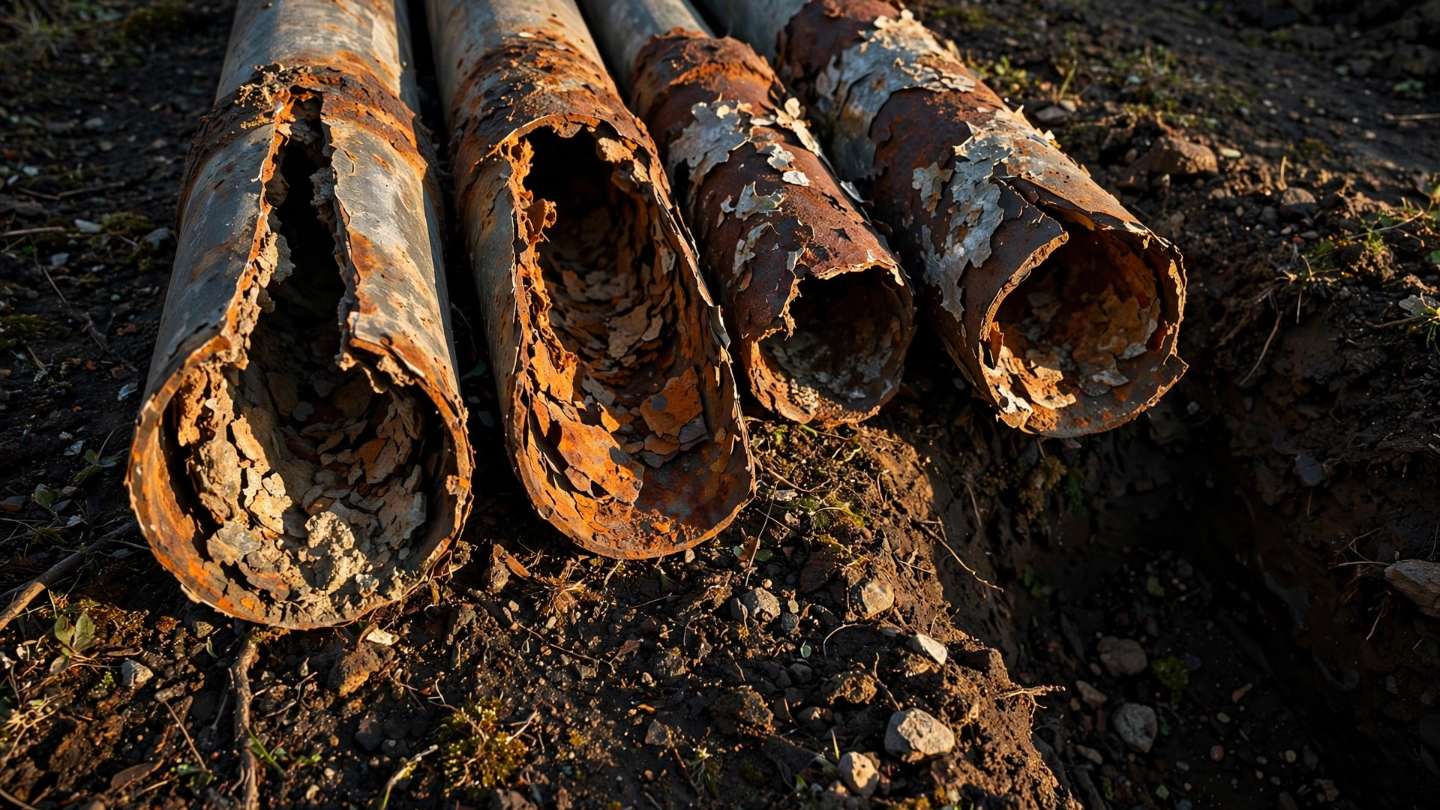
Galvanized steel was the workhorse of service lines for decades, and plenty of it still feeds homes around Ephrata. Over time, mineral scale and corrosion build up on the inside wall, slowly choking the diameter water can pass through. That is why a home with galvanized pipe often shows the classic pair of symptoms: water that runs brown or rusty after sitting overnight, then clears, and pressure that has faded bit by bit over the years.
This is the point where many homeowners start looking into galvanized water line replacement. A spot repair on a galvanized line rarely satisfies for long, since the rest of the pipe shares the same condition. When a pro recommends old water service line replacement in Ephrata, it is usually because the whole run is near the end of its useful life, and patching one section leaves the next failure waiting.
Lead Water Service Line Material: What Ephrata Homeowners Should Know
Some older lines in Ephrata were made of lead, and a pro can identify the material. If you are concerned about a possible lead water service line, say so on the call and the pro will check. Identification is done at the entry point or at the curb stop, where an exposed section of pipe can be checked directly. If you have questions about your water itself, those go to your water provider, which handles water quality on the supply side. We make no health claims here and we never will; our role is connecting you with a pro who can tell you what pipe you have and what replacing it involves.
Many places keep inventories of service line materials and run replacement programmes for the portions they own. Whether anything like that exists here, and what it covers, is a question for your water provider. What the pro you call through us handles is the private side: the buried run from the property line or curb stop to your house. That private-side work is the part of old water service line replacement in Ephrata that most homeowners end up scheduling.
What to Ask Your Water Provider Before You Replace Anything
Before a replacement project is planned, it is worth one call to your water provider. Providers keep records, sometimes including the material of the service line on the public side, and in many places they run inventories or replacement programmes for the portions they own. Ask which side is yours, whether they have any record of your line's material, and whether any programme covers their side. We do not name utilities or authorities here, and we make no promises about programmes; the provider is the only source for answers about their side.
The line from the street to your house is usually the homeowner's responsibility. If the provider plans work on their side, the timing sometimes lines up well with private-side replacement, so one excavation can serve both. A pro who knows Ephrata can talk through how the two sides meet at the curb stop and what coordination typically looks like.
Old Water Service Line Replacement in Ephrata: The Private Side
Old water service line replacement in Ephrata, on the private side, means running a new pipe from the curb stop or property line to the house. The pro shuts off the water at the curb stop, excavates or bores a path for the new line, connects it at both ends, pressure tests the new run, and backfills. Modern service pipe materials are chosen for long, trouble-free service; the pro explains the options in general terms, without brand names, and recommends what suits your lot, soil and budget. Where the yard, driveway or mature trees complicate an open trench, the pro sometimes suggests a trenchless route instead, pulling the new line through with minimal digging.
Access is usually limited to a trench or two small pits, and the pro explains ahead of time what the lawn, walkway or driveway will look like afterwards. If your old water pipe to house also feeds low water pressure main line symptoms, say so on the call; replacing an undersized or corroded line usually resolves both problems at once. And because the shut-off has to work reliably during any line project, a pro may also check your valve; if it is seized, main shut off valve replacement can be scheduled alongside the line work.
Ephrata Homes: Why Lines of a Certain Age Fail
Housing era drives line condition across the Ephrata service area, and the pattern is consistent. In Ephrata Borough, 19th and early 20th century brick homes with basements often sit on the oldest lines in the 17522 area: cast iron, older galvanized, and in some cases pipe from the lead era. In Ephrata Township subdivisions built from the 1960s through the 2000s, the lines are newer but the oldest tracts are now reaching the age where galvanized and early copper runs start showing their years, especially after decades of freeze-thaw cycles working the soil around them.
The northern villages around Clay Township and Hopeland mix older village homes with newer tracts along US 322, so material varies street by street. Cold winters and deep frost stress buried pipe everywhere, and older materials feel it first. A pro sizes up the home's era, the entry point and the visible symptoms before recommending anything. Homeowners looking at water line replacement in Ephrata Borough or water line replacement in Durlach are usually dealing with the same underlying story: a line that has simply outlasted its design era.
What to Do While You Wait
- Look where the line enters the house and note the pipe colour and material, if visible; the pro will ask.
- Run the meter test: with all taps off, watch the meter dial for movement that suggests a leak.
- Know where your main shut-off is and whether it turns; do not force a seized valve.
- Take photos of any wet spots, discoloured water, or corrosion you can see.
- Keep people and pets off any soft, sunken, or unusually green ground over the line's path.
- Do not dig. Call before anything is disturbed; the pro locates the line first.
Brown water and fading pressure usually point to the same buried pipe. Talk to a main water line pro now
Know your line's material? Get a straight answer on what comes next. Get Ephrata help today
Not sure what pipe is buried at your home? A pro can tell you. Describe the problem on the call
Questions, Answered Plainly
A pro checks where the line enters the house, usually through the basement wall, and identifies the material by a scratch test on an exposed section. In Ephrata, common finds are older galvanized steel, copper in mid-century tracts, and occasionally older pipe in the borough's oldest homes.
A pro can identify your line's material, which is the first fact to establish. Questions about water quality itself belong to your water provider, which handles testing on the supply side. We make no health claims; the pro's job is to tell you what pipe you have and what your replacement options are.
Usually the provider owns only up to the curb stop or property line, and the run to the house is the homeowner's. Providers in many places keep material inventories and run programmes for their side, so ask yours directly. The private-side replacement is the work a local pro performs.
Rusty or brown water that clears after running is a classic sign of corrosion inside an aging galvanized line. Overnight, water sits in the corroded pipe and picks up sediment; once it flushes through, the water runs clear again. Replacement of that run is the lasting fix.
When low pressure comes from a corroded or undersized service line, replacing that line usually restores full flow. The pro rules out other causes first, such as the regulator or the main valve, so the fix matches the actual problem.
Partial replacement is possible in some layouts, but it often just moves the next failure down the run. When the whole pipe shares the same age and condition, a full private-side replacement usually makes more sense. A pro looks at the line's material and condition and gives you a straight recommendation either way.
It depends on the neighbourhood's era. Borough homes from the early 1900s can sit on the oldest lines in 17522, while township subdivisions from the 1960s through the 2000s have newer runs that are now aging at different rates. The pro reads the home's era, the entry point and the symptoms together to judge where your line stands.
No rule says you must, but buyers and inspectors notice aging service lines, and a known failing line can complicate a sale. Many sellers replace the line to remove the question entirely.
Old Water Service Line Replacement in Ephrata Starts With a Call
If your home still runs on its original buried line, replacing an old water service line in Ephrata is worth discussing before the next leak. One call connects you with an experienced local pro who identifies the material and lays out pricing before any work begins. Call (717) 749-8219 now; the line is answered 24/7 and you can ask about same-day availability.
Call to schedule